Selected visuals
Blackboard
A few chalk lines. One thought worth a second look.
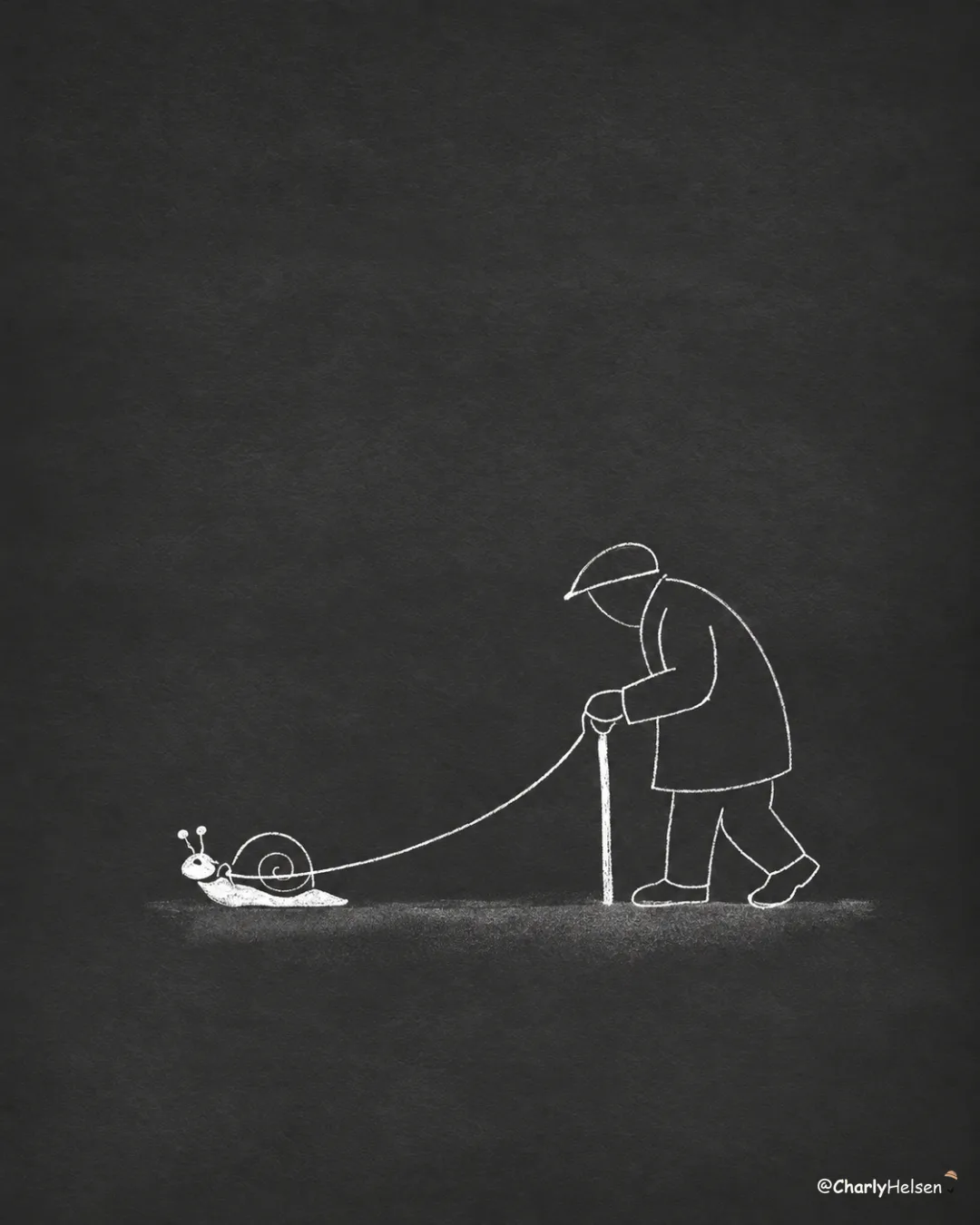
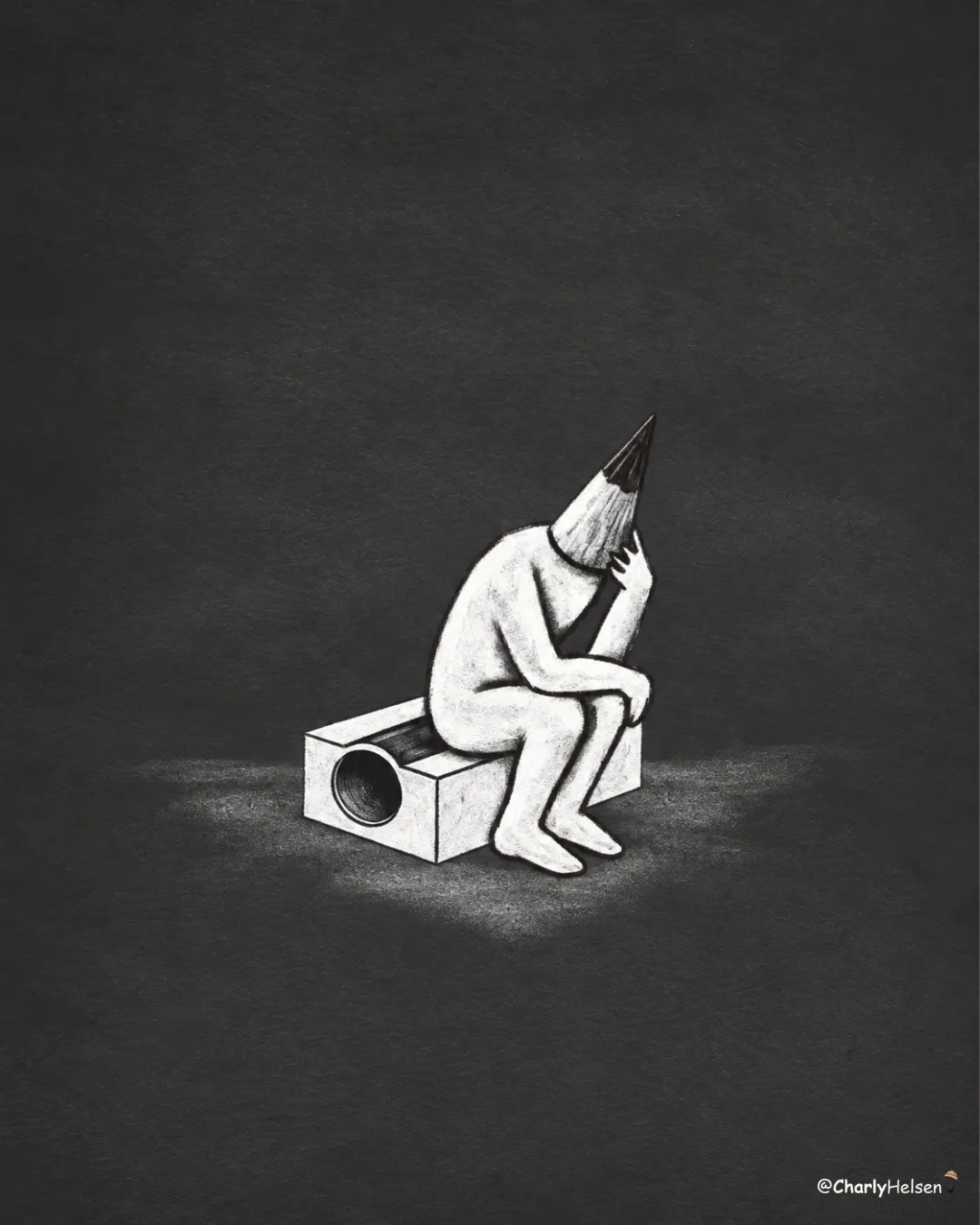
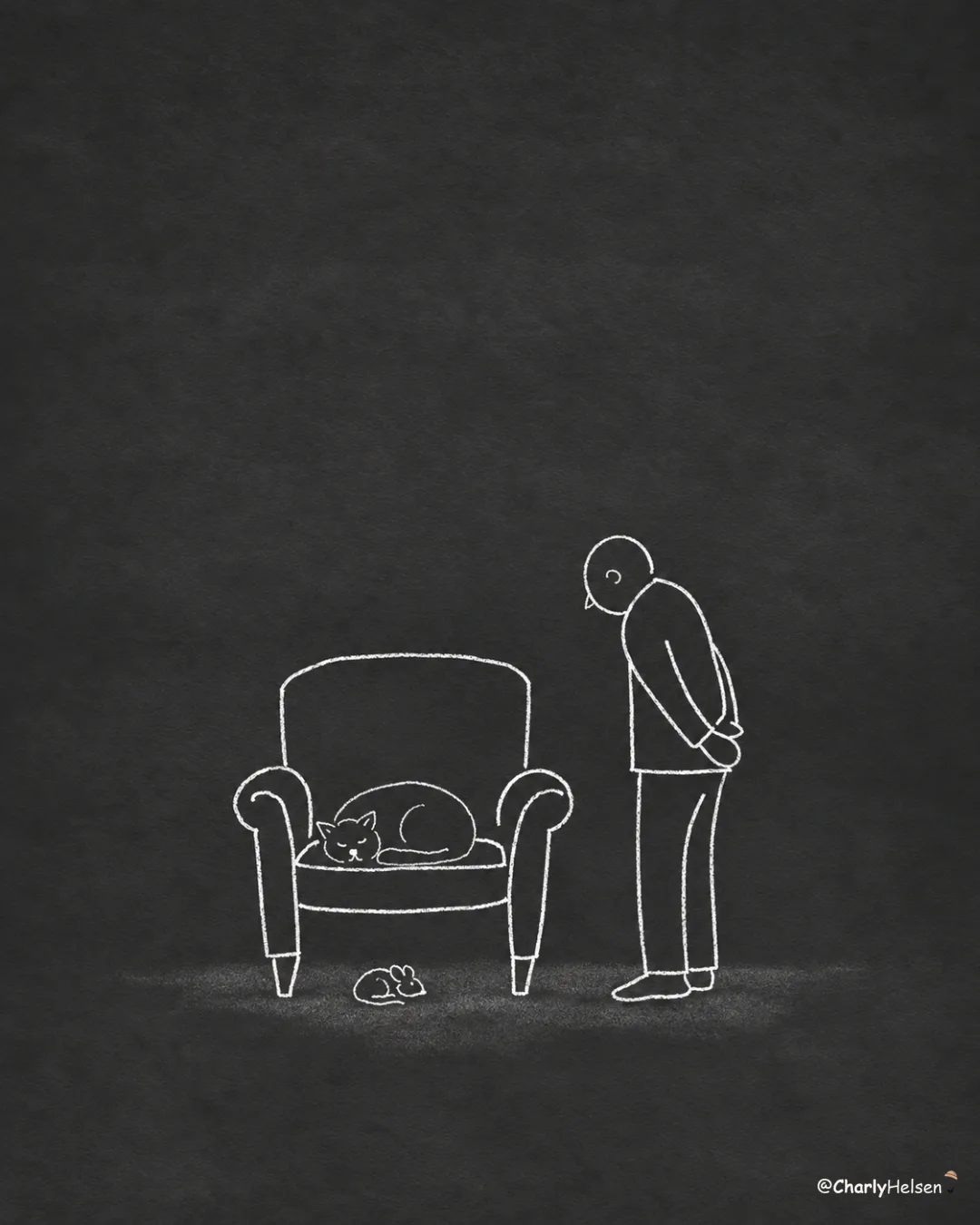
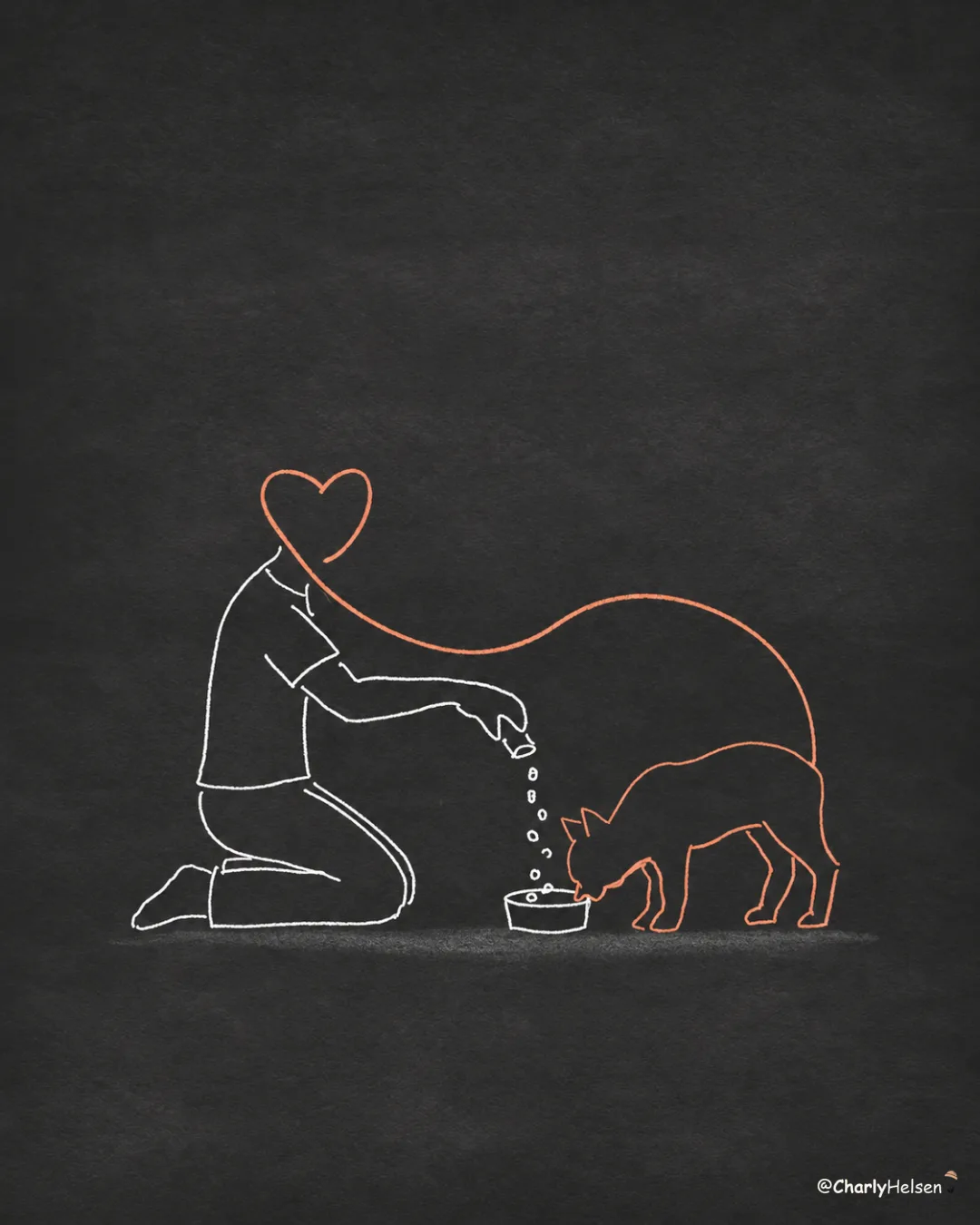
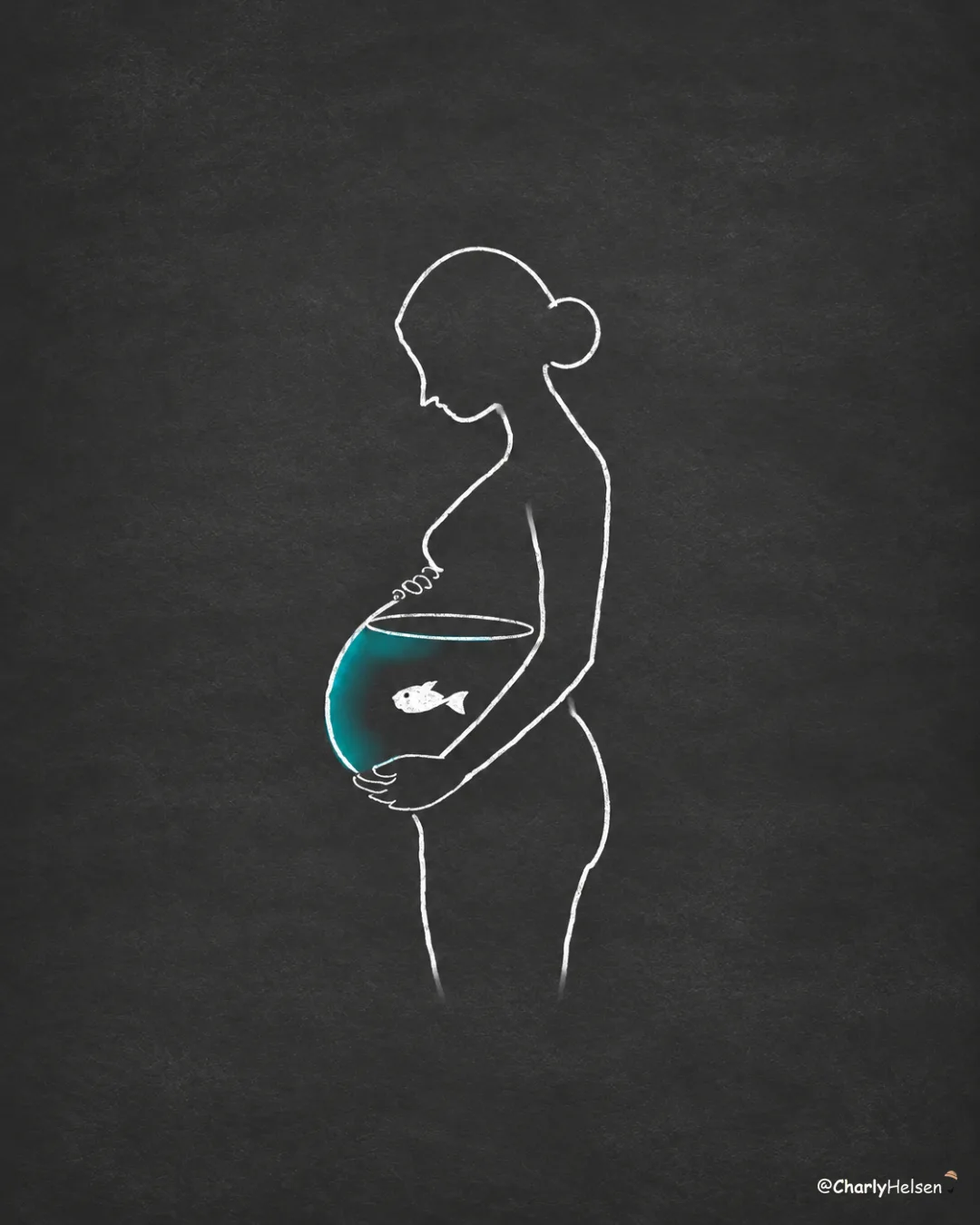
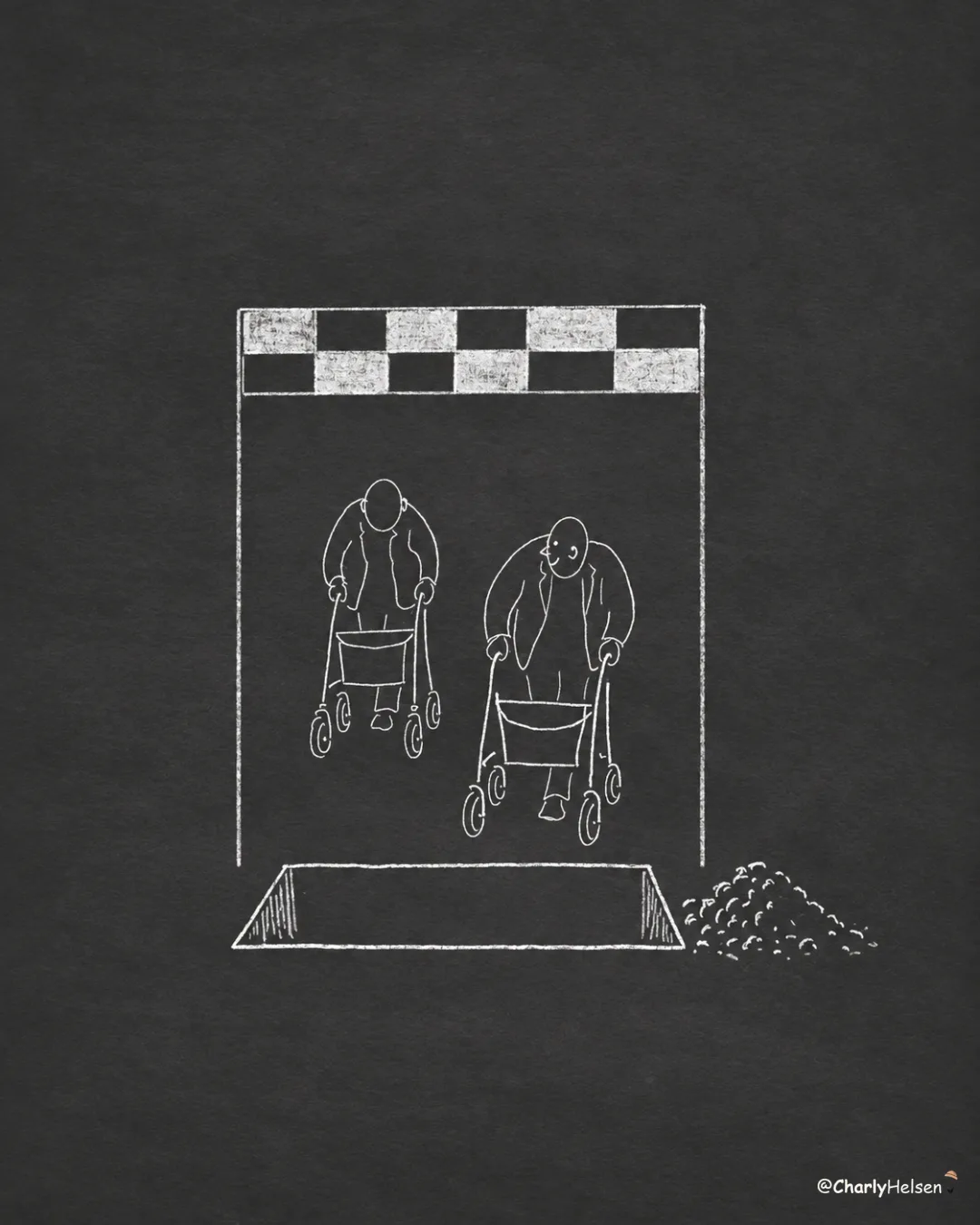
Colour
The same curiosity, with more room for story and discovery.
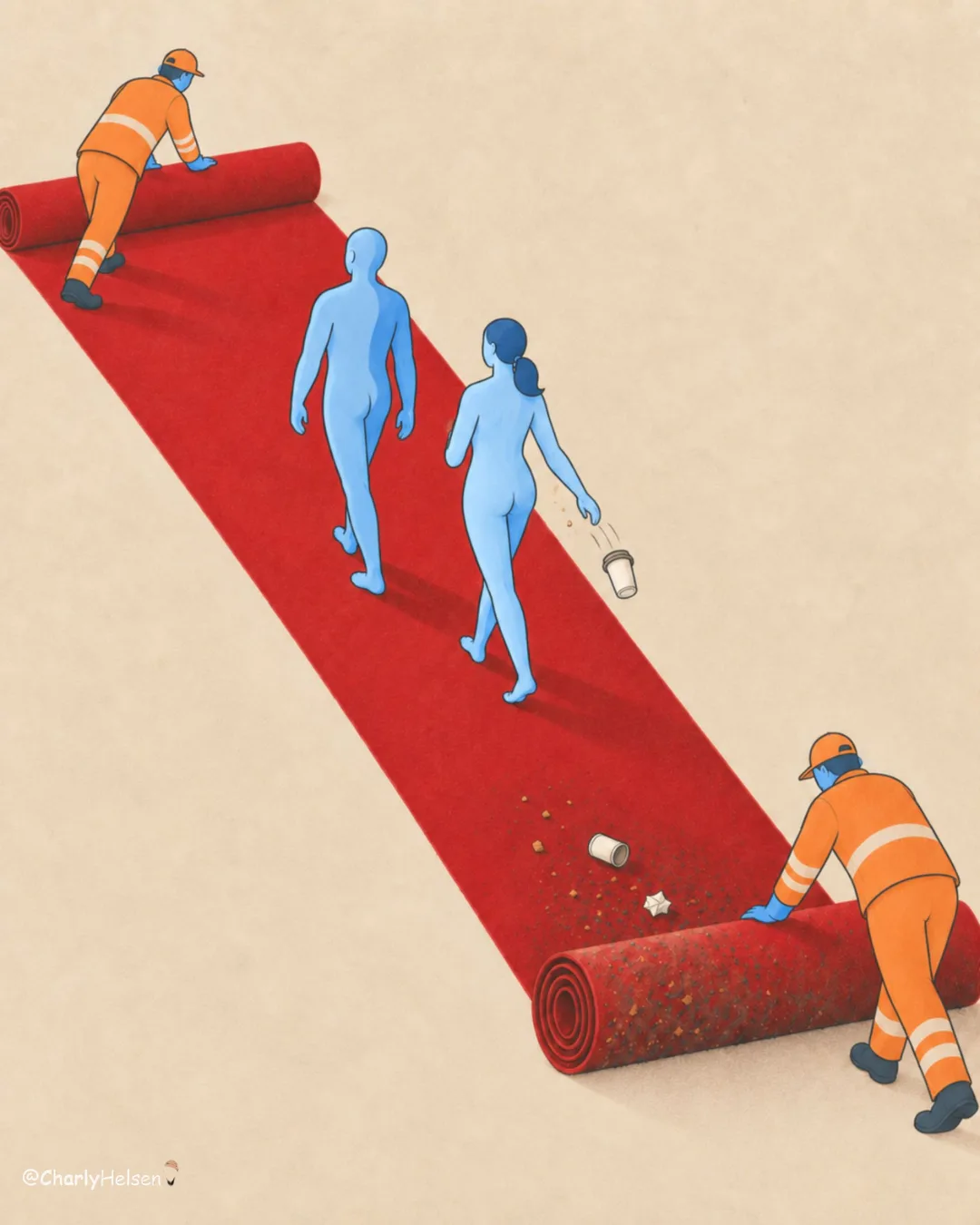
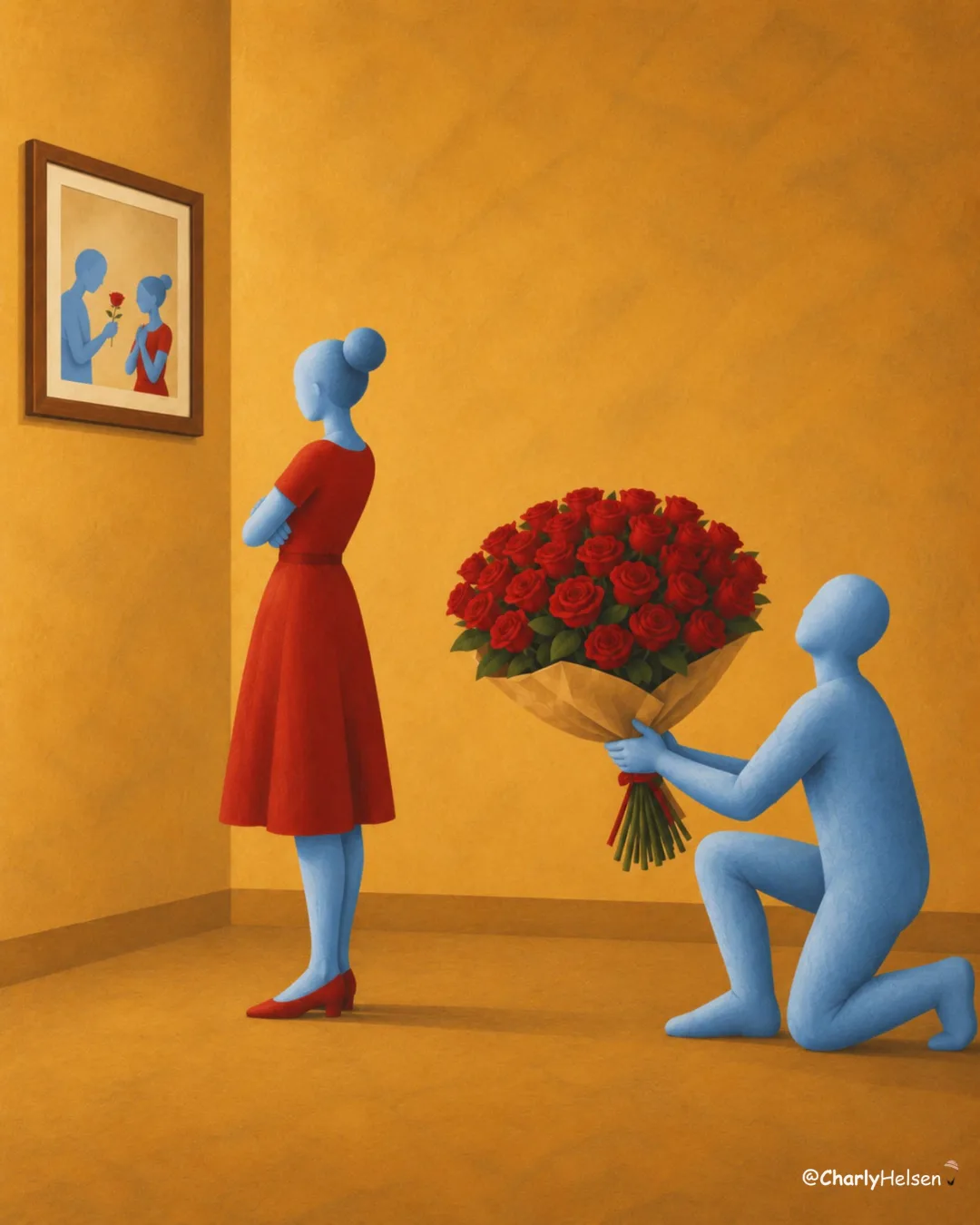
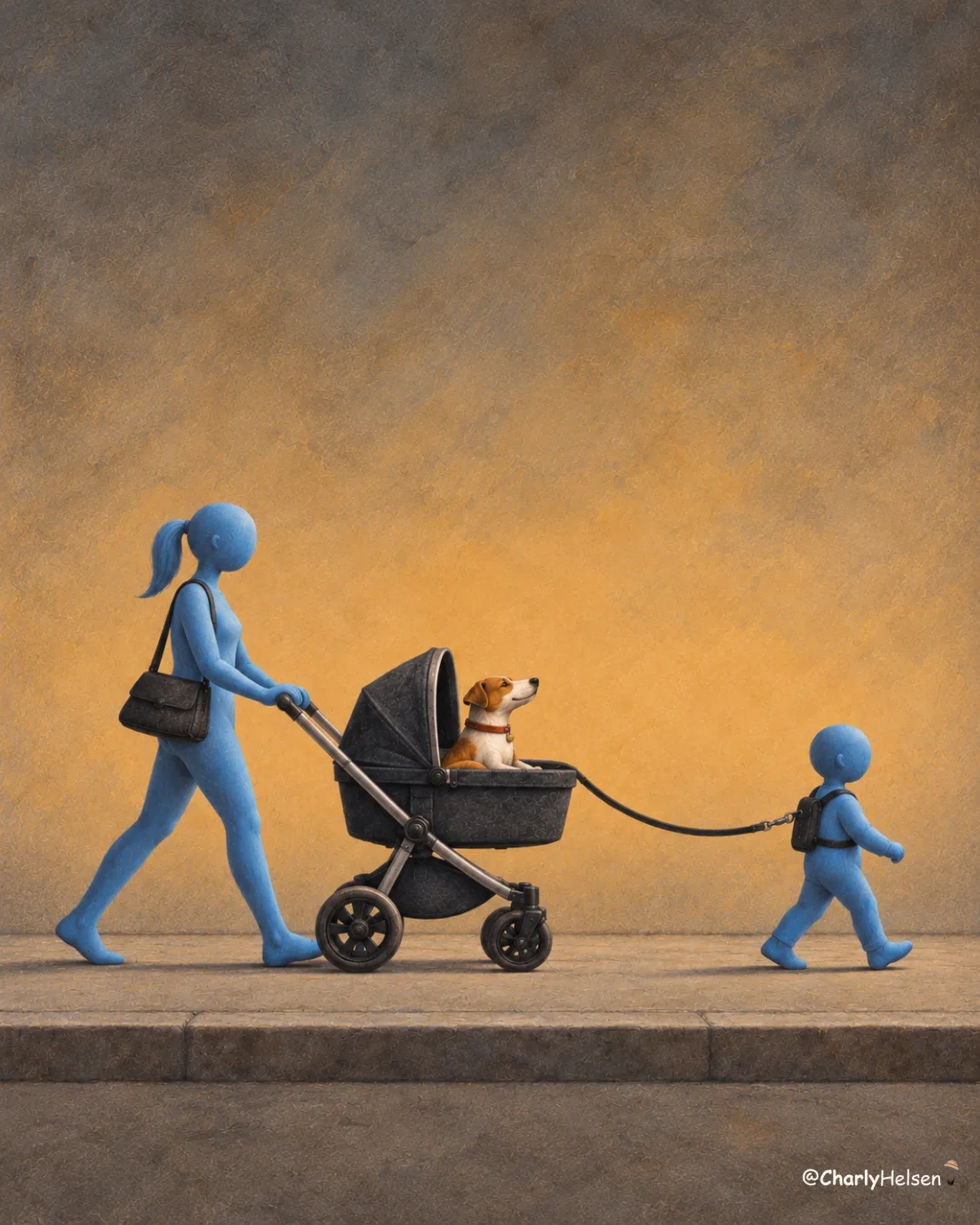
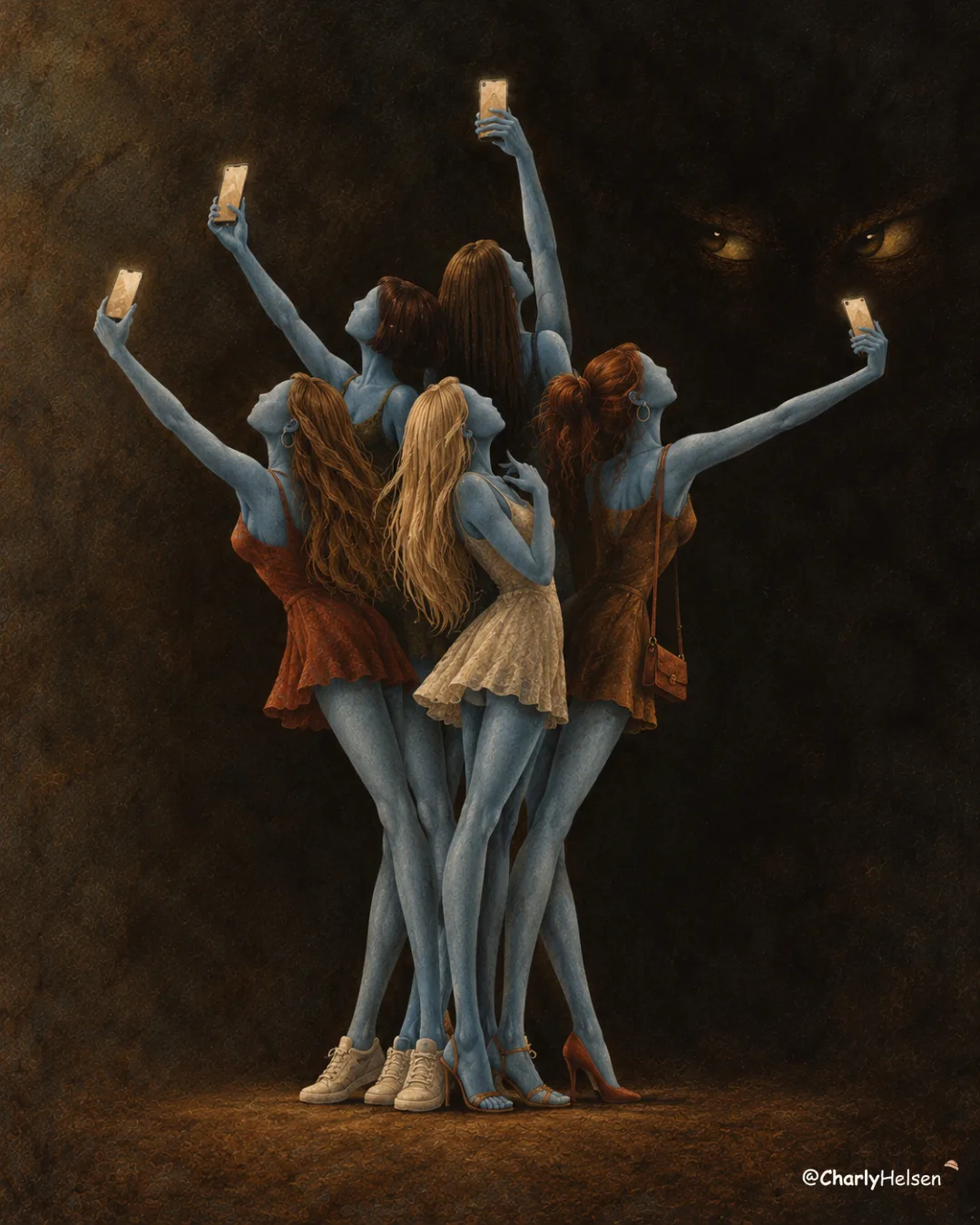
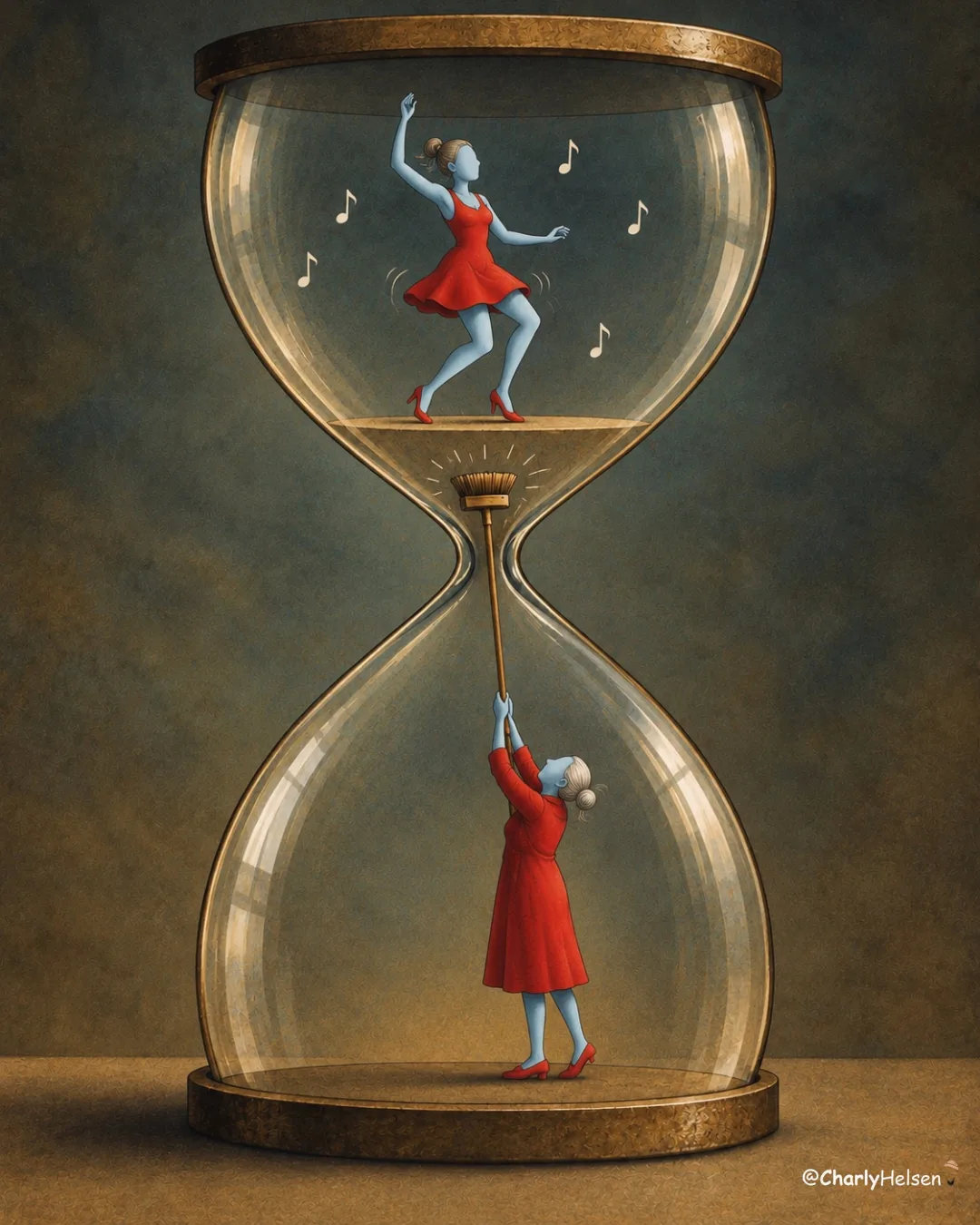
I turn everyday habits, relationships and contradictions into visual metaphors that invite a smile and a second thought.
A few chalk lines. One thought worth a second look.
The same curiosity, with more room for story and discovery.
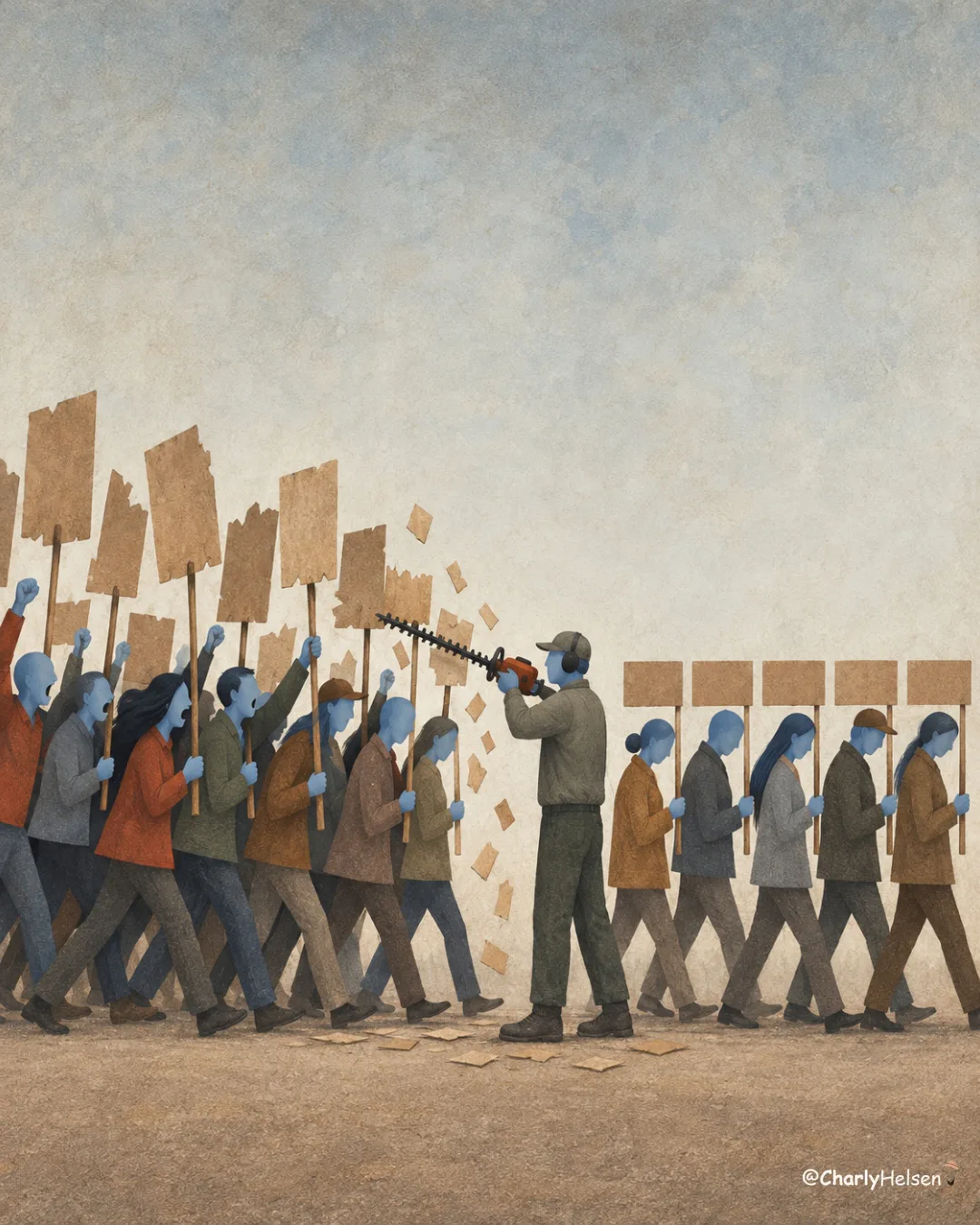
How a protest became a hedge.
I noticed how strikes and protests can dominate the news for days, then seem to disappear after governments intervene.
I asked AI to explore tensions and metaphors. I selected Resistance ↔ Compliance.
Then we explored ways to visualise them. AI suggested marching crowds, raised fists ↔ lowered heads and uniform groups.
When I asked for metaphors, suggestions included weeds, an unruly garden and pruning.
That triggered an idea: what if a protesting crowd were an overgrown hedge, and government intervention became hedge trimming?
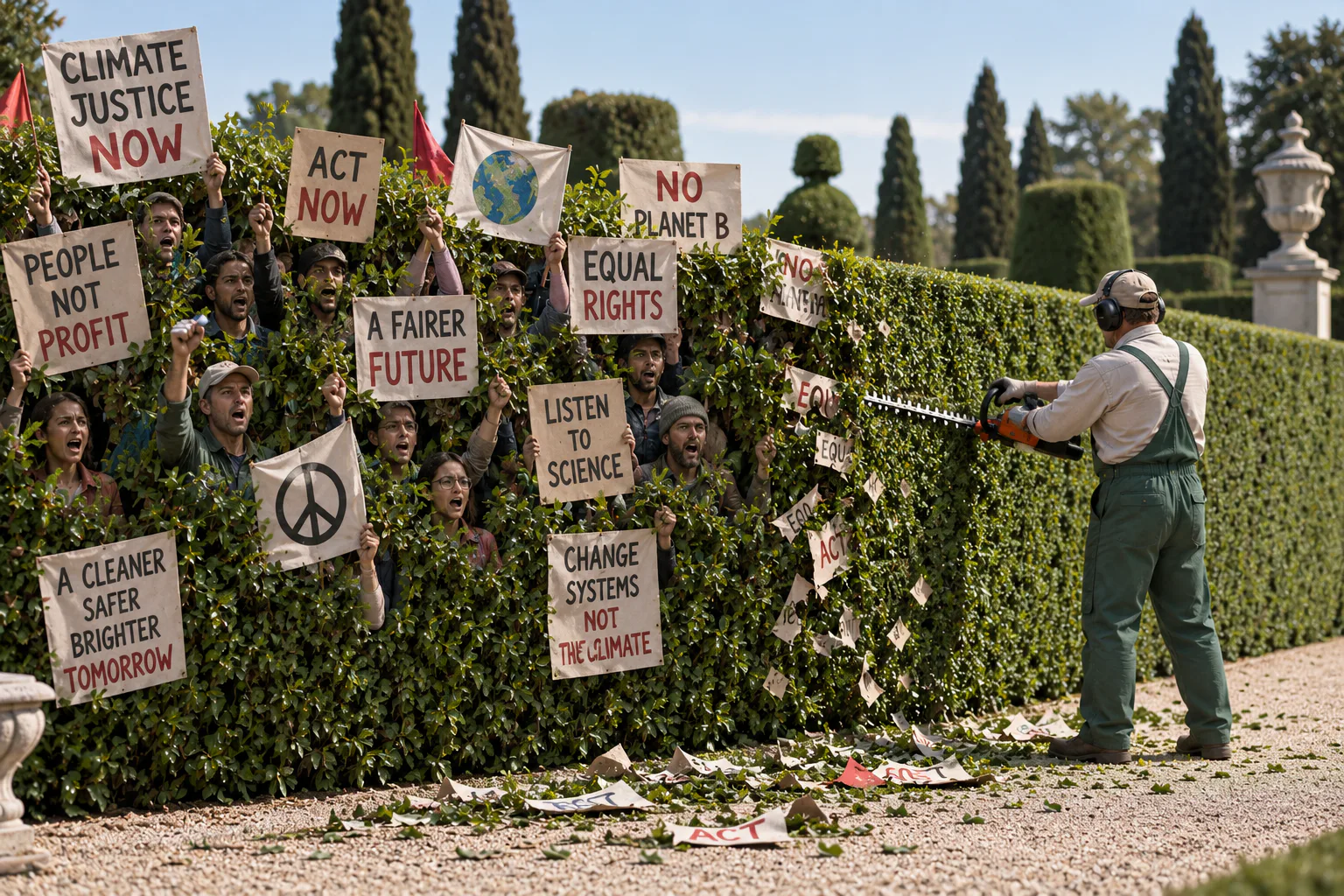
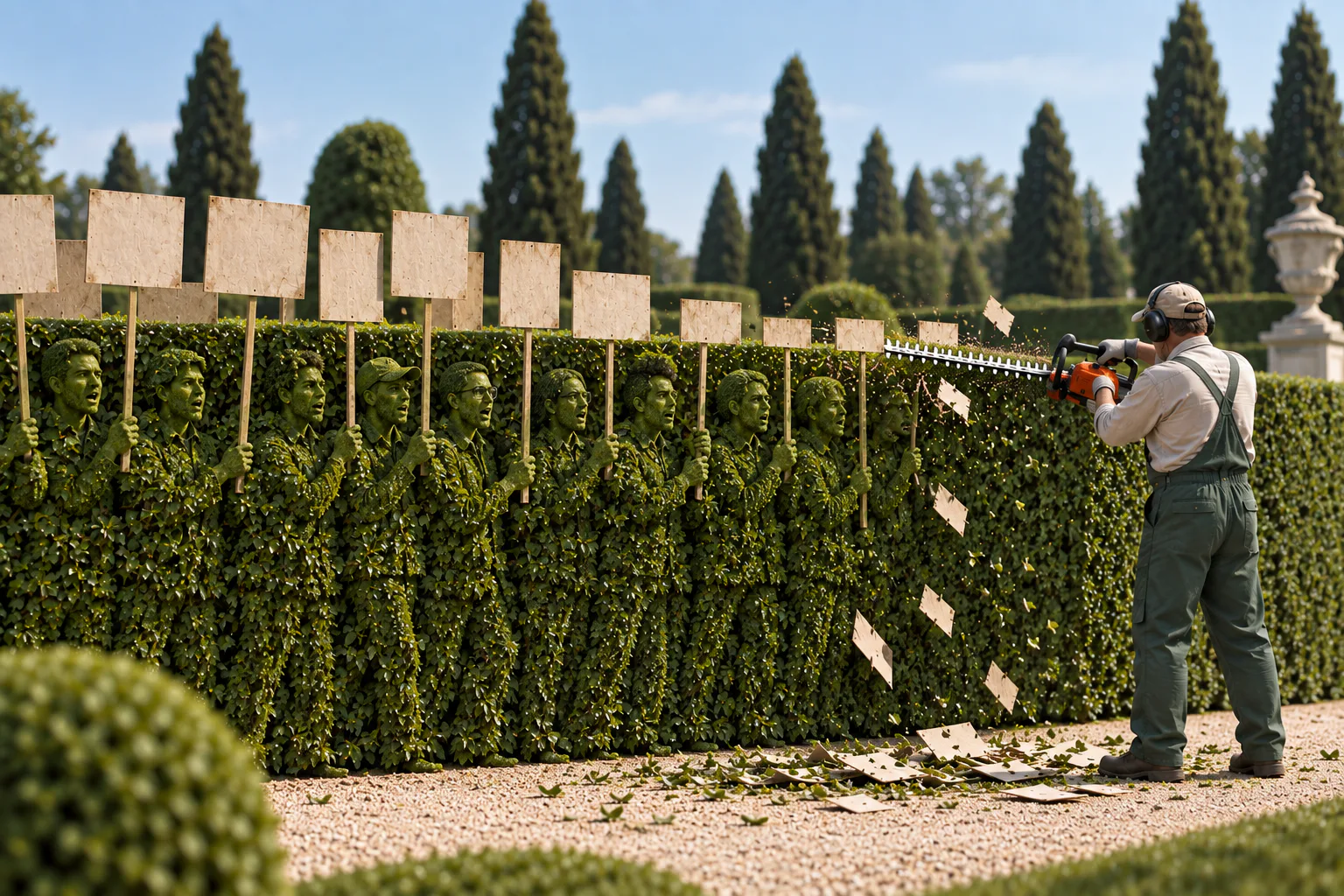
I imagined a before-and-after scene, with a hedge trimmer in the middle.
On one side, raised fists and irregular protest signs. On the other, lowered heads and identical signs.
AI generated visual drafts. Together, we explored the composition, challenged the results and kept refining the scene.
After several revisions, the idea became one continuous scene.
A hedge trimmer transforms irregular protest signs into identical rectangles. Raised fists become lowered heads.
Resistance is trimmed into compliance.
Can AI make us more creative?
Getting an impressive image from AI is easy. Finding an idea worth a second look takes much longer.
I've discovered that AI becomes much more interesting when I use it as a sparring partner.
Some ideas emerge quickly. Others take many exchanges, unexpected associations and failed attempts before they become worth drawing.
I'm developing and testing this approach through my own visual work. I'm curious to discover how far I can take it, and whether it might eventually help other creatives stretch their imagination.
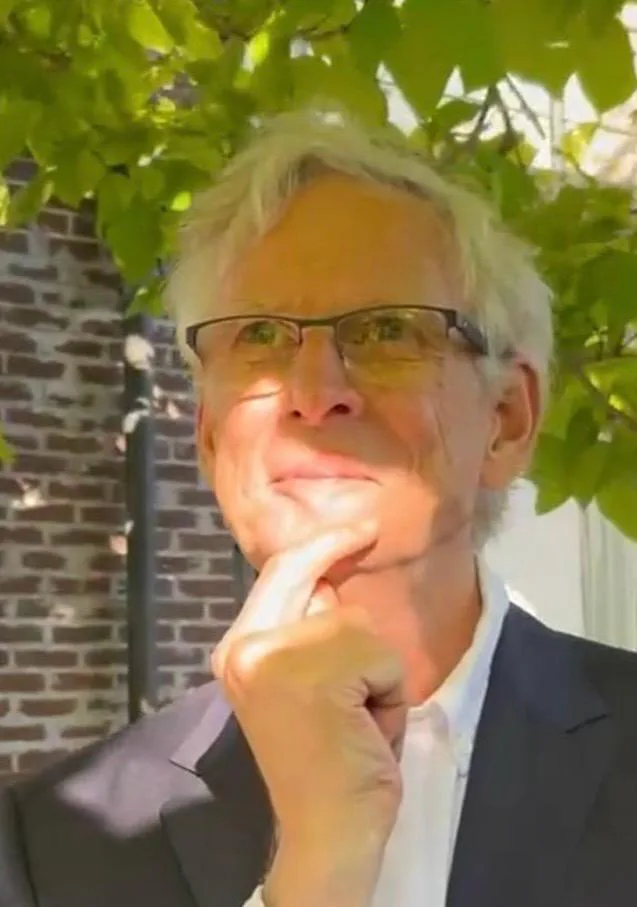
I stopped drawing.
I never stopped observing.
As a child, I could spend hours drawing on a blackboard. Then life took me in another direction, and for almost fifty years, I barely drew anything.
Instead, I spent forty years working across different industries and countries. It became an excellent laboratory for observing human behaviour, especially when targets, meetings, and hierarchies were involved.
At 68, I picked up drawing again.
I started with simple white lines on a black background, turning everyday situations into visual stories. Later, I began experimenting with AI to bring my ideas to life in ways I couldn't yet draw or colour myself.
My years at Toyota taught me something useful: when something doesn't work, find out why, improve it and try again. I'm applying the same approach to my creative work.
I'm still learning, experimenting and occasionally wondering why a seemingly simple idea takes so long to draw.